Badami: A Versatile Display Font for Modern Branding and Design
Choosing the right typeface is often the difference between a design that gets ignored and one that stops people in their tracks. In the crowded visual landscape of today’s digital and print media, your typography needs to do more than just communicate words; it needs to convey personality, trust, and style. This is where Badami enters the conversation. As a brand-new display font, Badami offers a fresh approach to typographic hierarchy, balancing elegance with structural integrity. It is not merely a collection of letters but a toolkit for creators who understand that details matter.
Whether you are a freelance graphic designer working on a tight deadline, a small business owner launching a new product line, or a hobbyist creating wedding invitations for a friend, the utility of a font like Badami lies in its adaptability. It bridges the gap between formal sophistication and creative freedom, making it a reliable choice for a wide spectrum of projects.
Understanding the Character of Badami
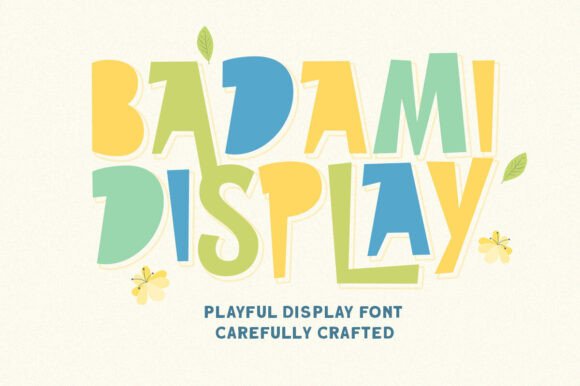
At its core, Badami is designed to be a display font, which means it shines when used at larger sizes for headlines, titles, and logos. However, what sets it apart from many other display typefaces is its nuanced handling of character alternates. These alternates allow you to play around with the shape and flow of specific letters, giving you the ability to customize the look without needing advanced vector editing skills.
This feature is particularly valuable because it solves a common problem in design: uniqueness. When everyone uses the same standard fonts, brands can start to look identical. With Badami, you can tweak a few key characters in a logo to create a bespoke mark that feels custom-made. The font’s structure supports this flexibility while maintaining readability, ensuring that your message remains clear even as you experiment with stylistic flourishes.
Real-World Applications for Entrepreneurs and Marketers
For entrepreneurs and marketers, typography is a direct extension of brand identity. Badami is perfectly made to be applied in scenarios where first impressions are critical. Consider the launch of a boutique coffee shop or a high-end skincare line. In these contexts, the packaging needs to communicate quality before the customer even touches the product.
- Logo Design: The clean lines and optional alternates make Badami ideal for logotypes. You can create a wordmark that feels both established and modern.
- Packaging and Labels: On a crowded shelf, clarity is king. Badami provides the weight and presence needed for product labels, ensuring that brand names stand out against complex background graphics.
- Advertising Materials: Whether it is a social media banner or a printed flyer, the font’s display nature ensures that headlines grab attention immediately.
Small business owners often operate with limited budgets for custom illustration or photography. In these cases, strong typography becomes the primary visual hook. Using Badami for your primary branding elements allows you to achieve a polished, professional look without excessive production costs.
Elevating Personal and Social Events
Beyond commercial use, Badami excels in personal and celebratory contexts. Life’s milestone events deserve typography that reflects their significance. The font’s formal yet inviting aesthetic makes it a top contender for stationery and event design.
Imagine designing wedding invitations. The goal is to set the tone for the celebration—elegant, joyful, and memorable. Badami’s graceful curves and structured forms work beautifully for couple’s names and date headers. Similarly, for greeting cards, whether for birthdays, anniversaries, or holidays, the font adds a layer of thoughtfulness. It suggests that care was taken in the design, which translates emotionally to the recipient.
For hobbyists who enjoy paper crafts or digital planning, using Badami in journals, planners, or handmade cards can elevate everyday items into keepsakes. The availability of alternates means you can vary the look of repeated words, keeping the design dynamic and engaging.
Publishing and Editorial Use Cases
Publishers, bloggers, and educators often overlook display fonts for long-form content, but Badami has a place here too. While it is not designed for body text, it is exceptional for chapter headings, pull quotes, and magazine titles. In novels and books, a distinctive chapter header can help break up text and provide visual resting points for the reader.
Magazine editors know that the cover sells the issue. Badami’s bold presence makes it suitable for mastheads and feature titles. It commands space without being aggressive, allowing imagery to share the spotlight. For digital publishers and bloggers, using Badami for H1 and H2 tags can improve the visual hierarchy of an article, guiding the reader’s eye through the content more effectively.
Key Considerations Before You Choose
While Badami is versatile, it is important to use it strategically. Because it is a display font, it is not intended for dense paragraphs of small text. Using it for body copy could strain the reader’s eyes. Instead, pair it with a simple, highly readable sans-serif or serif font for longer passages. This contrast creates a balanced composition that is both attractive and functional.
Another consideration is the context of your project. Badami leans towards formal and sophisticated applications. If you are designing for a playful children’s brand or a gritty industrial campaign, you might need to adjust the color palette and supporting graphics to ensure the font fits the mood. The font itself is neutral enough to adapt, but its inherent elegance suggests a certain level of refinement.
Why Alternates Matter in Modern Design
The ability to play around with alternate characters is not just a gimmick; it is a practical tool for solving design challenges. Sometimes, two letters next to each other might create an awkward visual collision. By swapping one letter for an alternate version, you can improve spacing and flow. Other times, you might want to emphasize a specific letter to create a subtle monogram effect within a word.
This level of control empowers users who may not be expert typographers. It democratizes good design by providing built-in options that professionals would typically spend hours crafting manually. For freelancers managing multiple clients, this efficiency is invaluable. It allows for rapid iteration and customization, ensuring that each project feels unique without requiring excessive time investment.
Making the Right Choice for Your Project
When deciding whether to download or purchase Badami, consider the longevity of your project. Will this font serve your brand for years to come? Given its classic yet contemporary style, Badami is designed to resist trending out quickly. It avoids overly decorative elements that might feel dated in a few years, focusing instead on solid structural forms.
For educators and students, exploring fonts like Badami can be part of learning about visual communication. Understanding how type influences perception is a critical skill in any creative field. Experimenting with alternates teaches attention to detail and the importance of micro-adjustments in design.
Ultimately, Badami is more than just a font file; it is a resource for anyone looking to communicate with clarity and style. From the boardroom to the wedding venue, from the bookstore shelf to the Instagram feed, it offers the versatility needed to meet diverse design demands. By choosing a typeface that balances form and function, you invest in the effectiveness of your visual message.
As you explore your next creative project, keep in mind that the right typography does half the work for you. Badami stands ready to support your vision, offering the flexibility and elegance required to make your ideas resonate with your audience. Whether you are refining a logo or finalizing a book cover, let the quality of your type reflect the quality of your content.